
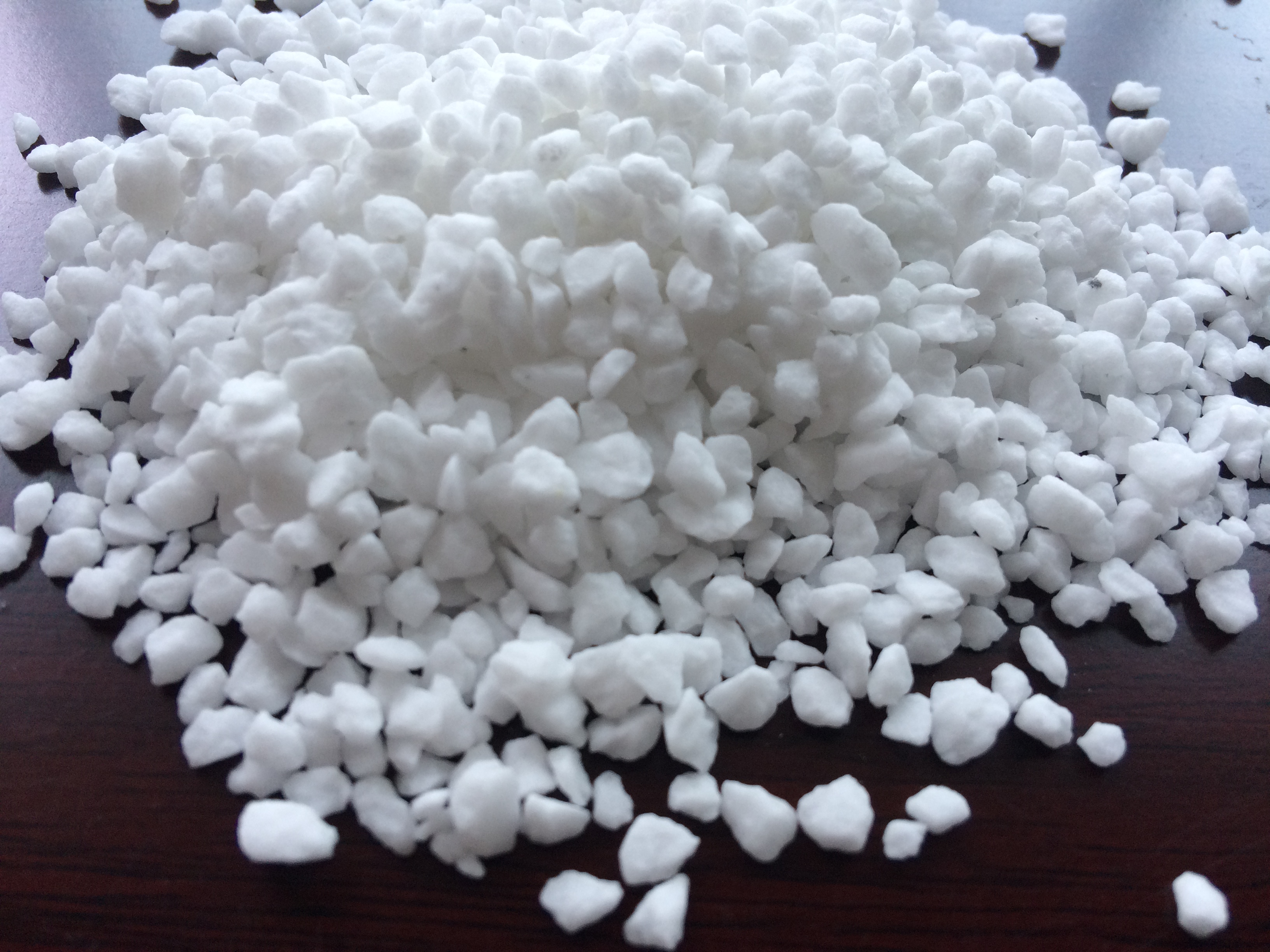
1. Usage and precautions in the agricultural field
Application method
Base fertilizer: Water in time after application to wash chloride ions to the lower layer of the soil (a small amount can be used without watering in subtropical rainy areas).
Topdressing: Especially suitable for rice, the effect is better than ammonium sulfate, and the principle of small amounts and multiple times should be followed.
Prohibited scenarios: It is not suitable for seed fertilizer or rice seedling fertilizer to avoid affecting seed germination and seedling growth.
Precautions
Crop restrictions: Crops that are sensitive to chlorine (such as tobacco, sugarcane, beets, tea trees, potatoes, etc.) are prohibited; watermelons, grapes, etc. are not suitable for long-term use.
Soil restrictions: It is prohibited in saline-alkali land or soil with poor drainage to avoid aggravating salt damage.
Applicable environment: It is preferred to be used in paddy fields, and the effect is poor in arid and rainy areas.
2. Application in the industrial field
Ammonium chloride is widely used in metal welding, electroplating, tanning, dry cell manufacturing, etc. The specific usage needs to be adjusted according to the process requirements, but it is necessary to pay attention to its characteristic of easy decomposition by heat (generating ammonia and hydrogen chloride gas).
3. Usage and precautions in the medical field
Usage method
Oral:
The adult expectorant dose is 0.3~0.6g/time, 3 times a day; the acidified urine dose is 0.6~2g/time.
Children take 40~60mg/kg/day in 4 times.
Topical/injection: In severe cases, it can be applied to the affected area or injected intravenously/intramuscularly.
Inhalation: Nebulized inhalation is used for respiratory diseases with sticky sputum that is difficult to cough up.
Precautions
Contraindicated groups: Those who are allergic to ammonium chloride are prohibited; pregnant women and lactating women should be cautious.
Monitoring indicators: Attention should be paid to electrolyte balance and renal function to avoid long-term excessive use.
Drug Interaction: The dosage needs to be adjusted when used with alkaline drugs (such as diuretics).
4. General Safety Tips
Danger: Ammonium chloride is irritating to the skin and respiratory tract (European hazard symbol Xn), and direct contact should be avoided.
Storage Conditions: Sealed and moisture-proof, away from heat sources (thermal decomposition may release toxic gases).
Summary: Ammonium chloride has a variety of uses, but the scenarios need to be strictly distinguished, especially the restrictions on chlorine-sensitive crops in agriculture and the dosage control in medicine.
Post time: Jun-29-2025