
Zinc sulfate, a nutrient fertilizer containing sulfur and zinc, is an ideal choice for crop growth. It can not only effectively supply various nutrients needed by crops, but also activate the vitality of crop roots and help stems and leaves grow vigorously. By using zinc sulfate, not only can the fruit yield of crops be significantly improved, but also the quality of fruits can be greatly improved. In addition, it can effectively prevent growth problems such as white seedlings, missing grains, baldness of corn, and stunted seedlings and uneven heading of rice.
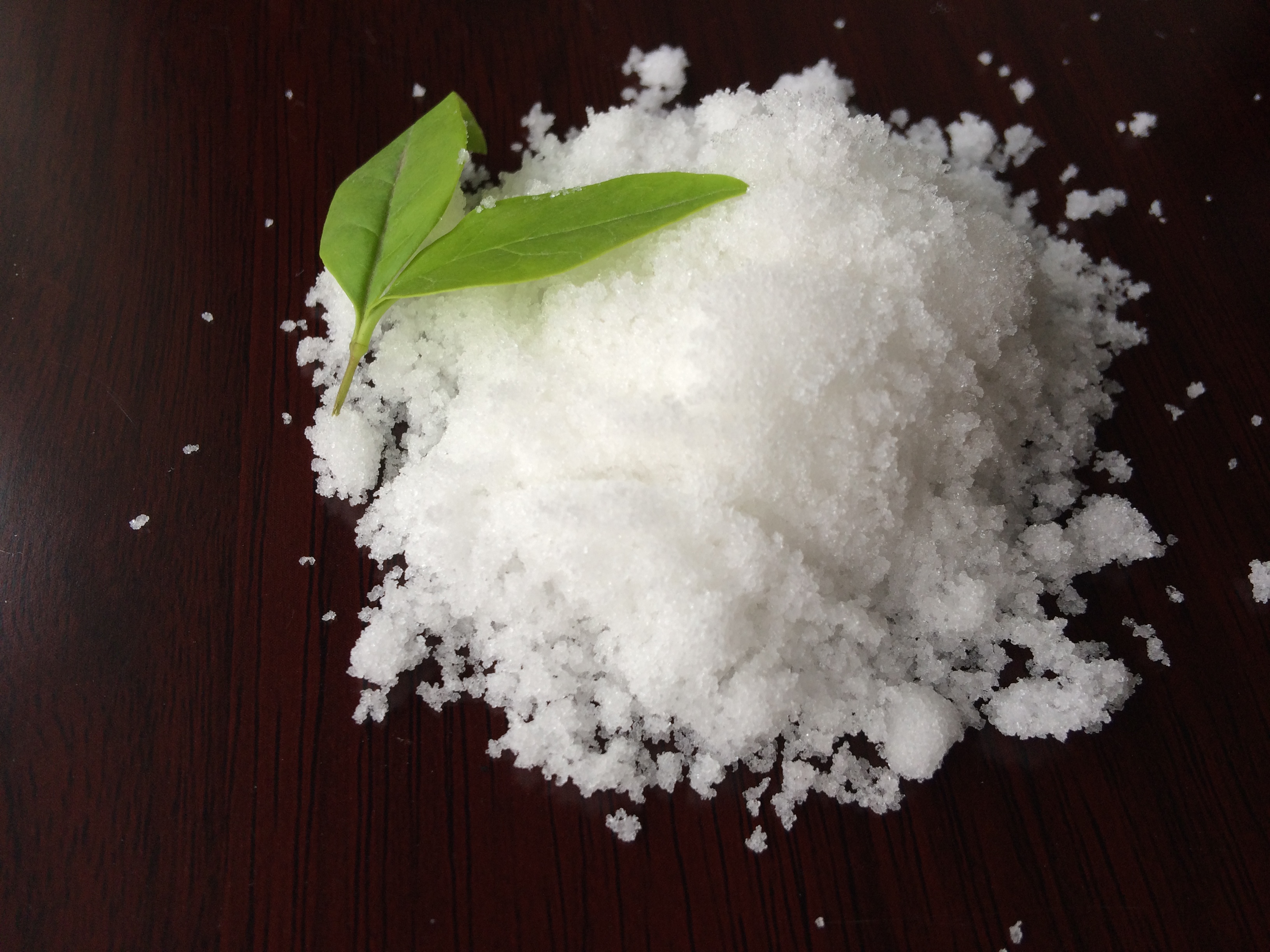
1. Effects of agricultural zinc sulfate
Zinc sulfate combines sulfur and zinc to provide crops with necessary nutrients.
Zinc is a key component of many enzymes. It participates in the synthesis of chlorophyll, protein and ribonucleic acid, while sulfur is the cornerstone of the synthesis of nutrients such as amino acids, proteins and cellulose.
Zinc can stimulate the production of auxin in crops, thereby enhancing root vitality, promoting stem and leaf growth, and increasing fruit yield.
During photosynthesis, zinc helps fix carbon dioxide, thereby optimizing the absorption of nitrogen and phosphorus by crops.
The use of zinc sulfate can also effectively prevent problems such as white seedlings, missing grains, baldness of corn, stunted seedlings, uneven heading of rice, yellowing of wheat, uneven earing, and small leaf disease and cluster leaf disease of fruit trees.
Flush application of zinc sulfate can not only increase yield, but also activate seedlings and inhibit the occurrence of viral diseases.
2. The harm of zinc deficiency to crops
Zinc deficiency in crops can lead to physiological metabolic disorders in the body, which is manifested in three aspects: first, the photosynthesis of leaves is affected, and the chlorosis and whitening phenomenon occurs between the veins; second, the formation of hormones in the crop body is inhibited, the top growth point necroses, and the leaflets grow in clusters; finally, cell division and reproductive organ development are blocked, seed formation is inhibited, and the fruit grain yield decreases. In addition, zinc deficiency will also reduce the single weight yield, appearance quality, and resistance to high and low temperatures, cold and drought, heavy metal poisoning, and disease and stress.
3. Specific symptoms of zinc deficiency in crops
When wheat is zinc deficient, the stalk nodes will become shorter and necrotic spots will appear at the top growth point. The leaf veins will wilt and turn yellow, or white and green stripes and strong spots will appear on both sides of the leaf veins. The heading and flowering period will be delayed, or even unable to head, the wheat ears will be significantly smaller, and the grains will also become lighter.
Zinc deficiency in rice is prone to stunted seedlings, yellow seedlings, shrunken seedlings, red seedlings, or burned seedlings. The plants become short and uneven, with fewer or no tillers. The tips of the leaves curl inward, the surrounding area turns orange-yellow, brown spots appear in the middle and late stages, and the tips turn red. In addition, there are phenomena such as flowers without fruits and delayed maturity.
When corn is zinc-deficient, the plants are short, the internodes of the stalks become shorter, the veins lose their green color and turn yellow-white, and there are albino stripes. White seedling disease will occur in the early stage, striped mosaic disease will appear in the middle and late stages, and the ears will have missing grains and bald tips in the late stage.
When rapeseed is zinc-deficient, the leaves turn green and turn yellow-white, the leaves curl upward, and the leaf tips droop. At the same time, the root system of rapeseed becomes thin and weak.
When fruit trees are zinc-deficient, the internodes of the branches become shorter, the axillary buds grow in clusters, the branches are thin, and the leaflets grow in clusters. In severe cases, the new branches will die from the upper part, the leaves will fall early, the fruit size will become smaller, the peel will become thicker, and the taste will become worse.
The most intuitive manifestation of zinc deficiency in vegetables is that the middle and upper leaves lose their green color and turn yellow, the new leaves turn green and have yellow spots, and the top leaflets grow in clusters, which are easy to induce viral diseases.
4. How to use zinc fertilizer scientifically and effectively?
When applying zinc fertilizer, it is necessary to comprehensively consider the soil type, the degree of zinc deficiency, and the crop’s demand for zinc fertilizer and the growth period. At the same time, attention should be paid to the amount or concentration of zinc fertilizer in different fertilization methods. When zinc fertilizer is used on zinc-deficient plots (when the effective zinc content in the soil is less than 0.5 mg/kg), the effect of increasing the yield and improving the quality of crops in the later stage will be more obvious. For plots and crops that are not zinc-deficient, additional zinc supplementation is usually not required.
Taking zinc sulfate fertilizer as an example, the following is a detailed introduction to the use of zinc fertilizer:
Seed soaking: Use zinc sulfate with a concentration of 0.02-0.05% to soak the seeds for 6-8 hours. Note that too high a concentration may cause seed burning and affect seedling emergence.
Seed dressing: Add 3-6 grams of zinc sulfate per kilogram of seeds, dissolve first, spray and mix, dry and then sow. This method can improve the drought resistance and disease resistance of seeds.
Root dipping and seedling dipping: Usually use 1% zinc sulfate or 300 grams per mu of seedlings. But be careful not to dip the roots for too long to prevent zinc poisoning.
Spraying: For fruit trees, the spraying concentration is 0.3-0.6%; for vegetables and rice, use 0.1-0.2% zinc sulfate. Spray once every 7-10 days for 2-3 consecutive times, and it will be better with urea or other foliar fertilizers.
Soil application: Apply 2-4 kg of zinc sulfate per mu for basal fertilizer and 1-2 kg for topdressing. Mix with dry fine soil and spread or apply in strips or holes, and cover the soil with furrows for the best effect. Note that it should be used every other year when making basal fertilizer.
Water and fertilizer integration: Use drip irrigation or sprinkler irrigation, with an application of about 0.5 kg per mu each time, and use it twice with other water-soluble fertilizers. If alkaline water is used, the pH value of the fertilizer solution needs to be adjusted to 5-5.5 or used together with acidic nitrogen, phosphorus and potassium compound fertilizers.
V. Precautions for the use of zinc fertilizers
Avoid mixing with phosphorus fertilizers to prevent antagonistic reactions between zinc and phosphorus, generating zinc phosphate that is difficult to dissolve and absorb, and reducing fertilizer efficiency.
Do not mix with alkaline pesticides or fertilizers, otherwise the effectiveness of drugs and fertilizers will be reduced.
When applying to the soil, zinc fertilizer should be evenly mixed with dry fine soil or acidic fertilizer, and covered with soil to improve utilization.
After using zinc fertilizer in a low temperature environment (such as early spring), crops may still show zinc deficiency in the short term, but the symptoms will gradually disappear as the temperature rises.
When applying zinc on the leaves, the effect of chelated zinc is usually better than zinc sulfate.
Reasonable application of zinc fertilizer helps prevent and control crop viral diseases.
Zinc fertilizer is a trace element with a small demand. When using it, you need to pay attention to the appropriate amount to avoid excessive zinc poisoning of crops.
Zinc fertilizer can be applied to the soil as a base fertilizer for 1-2 years. It is recommended to use it every other year for ordinary plots, while it can be used every year for plots with severe zinc deficiency until the soil zinc content is replenished.
Post time: Jul-17-2025