
tassium sulfate is a chlorine-free, high-quality and efficient potassium fertilizer, especially suitable for crops that are sensitive to chlorine, such as tobacco, grapes, beets, tea trees, potatoes, flax and various fruit trees. It is also an important raw material for nitrogen, phosphorus and potassium ternary compound fertilizers.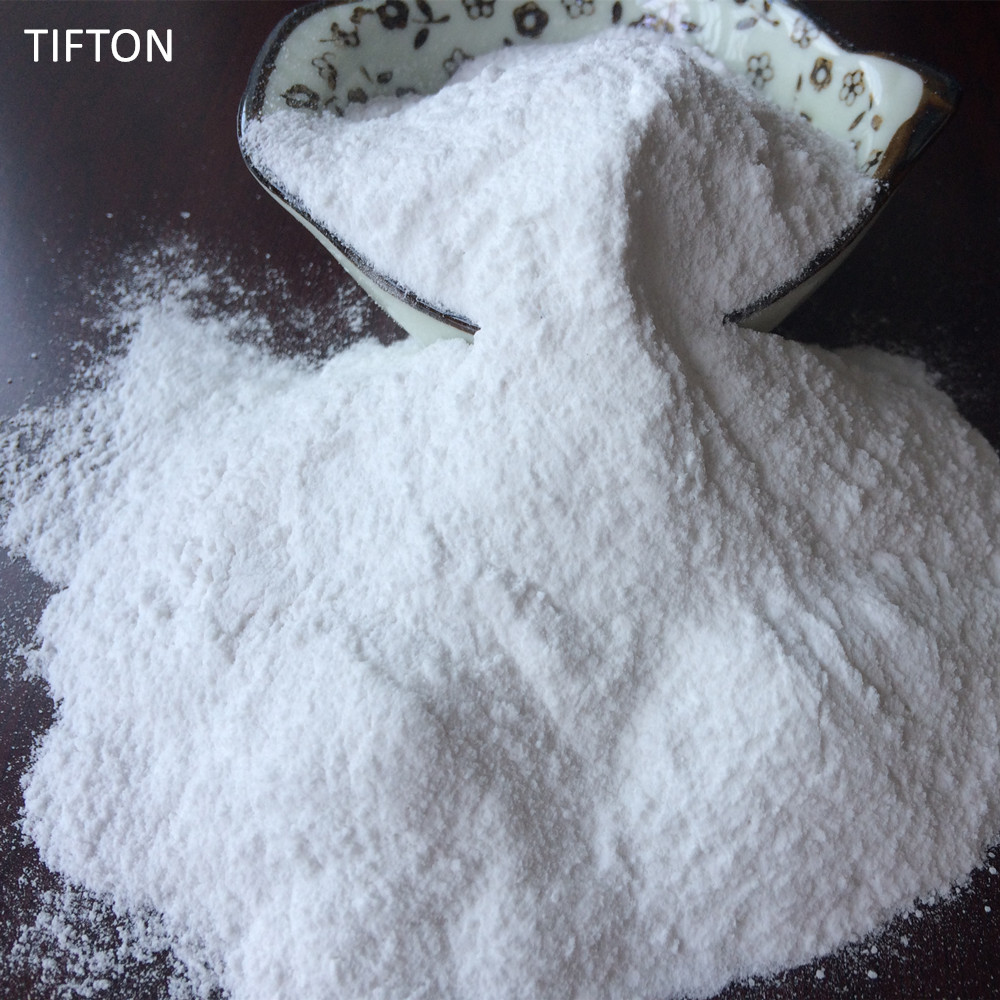
Features of potassium sulfate:
Chlorine-free: Potassium sulfate does not contain chlorine, which is a significant advantage for crops that are sensitive to chlorine.
High potassium: Potassium sulfate has a high potassium content, which can effectively meet the potassium needs of crops.
Physiological acidity: Potassium sulfate is a physiologically acidic fertilizer, which will slightly reduce the soil pH value after being applied to the soil.
Good water solubility: Potassium sulfate has good water solubility and can be quickly absorbed by crops.
Good physical properties: Potassium sulfate has low hygroscopicity, is not easy to clump, and is easy to apply.
Uses of potassium sulfate:
Potassium fertilizer: Potassium sulfate is a commonly used potassium fertilizer that can provide potassium elements for crops.
Compound fertilizer raw materials: Potassium sulfate is the main raw material for high-quality nitrogen, phosphorus and potassium ternary compound fertilizers.
Other uses: It is also used in industries such as glass, dyes, and spices.
Application of potassium sulfate:
Base fertilizer: Potassium sulfate can be applied as base fertilizer to provide sufficient potassium fertilizer for crops.
Topdressing: Potassium sulfate can also be applied as topdressing to supplement potassium fertilizer during the crop growth period.
Seed fertilizer: Potassium sulfate can also be applied as seed fertilizer to promote the growth of crop seedlings.
Foliar topdressing: Potassium sulfate can also be made into a solution for foliar topdressing.
Difference between potassium sulfate and potassium chloride:
Chlorine content: Potassium sulfate does not contain chlorine, while potassium chloride contains chlorine. Potassium chloride is not suitable for chlorine-sensitive crops.
Physical properties: Potassium sulfate has low hygroscopicity and is not easy to clump, while potassium chloride has high hygroscopicity and is easy to clump.
Physiological properties: Potassium sulfate is a physiologically acidic fertilizer, while potassium chloride is a physiologically neutral fertilizer.
Precautions for potassium sulfate:
Potassium sulfate is a physiologically acidic fertilizer. When applying it, pay attention to the soil pH value to avoid excessive acidification.
When applying potassium sulfate, it can be used in combination with other fertilizers to meet the needs of crops for multiple nutrients.
When applying potassium sulfate, the dosage should be reasonably controlled according to the growth of crops and soil fertility.
Post time: Nov-14-2025