
Magnesium Sulf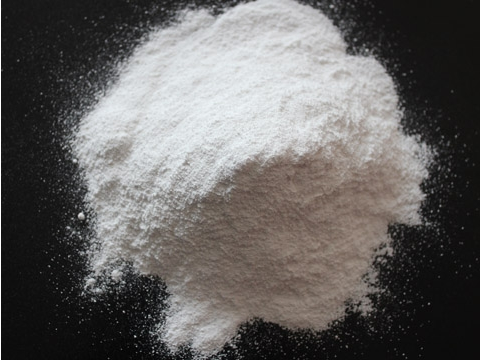 ate Monohydrate (MgSO₄·H₂O) delivers highly concentrated magnesium and sulfur in a low-moisture, free-flowing form. With 17% magnesium (27% MgO) and 22% sulfur, it provides nearly twice the magnesium content of the common heptahydrate, making it the preferred choice for growers seeking efficient nutrient delivery, reduced storage space, and reliable performance in fertigation, foliar, and soil application systems.
I. Core Advantages of the Monohydrate Form
Higher Nutrient Density
Magnesium sulfate monohydrate contains 17% magnesium compared to 9.8% in the heptahydrate form. This higher concentration means less product is required per hectare, reducing transportation costs, storage space, and handling frequency while delivering the same amount of available magnesium to crops.
Reduced Moisture Content
With less than 0.5% free moisture, the monohydrate form remains free-flowing and resists caking during storage. It performs reliably in humid conditions and maintains consistent particle size for accurate blending and application.
Rapid and Complete Solubility
Despite its lower water of crystallization, monohydrate dissolves quickly (680 grams per liter at 20°C) and completely, producing clear solutions ideal for drip irrigation, foliar sprays, and hydroponic nutrient solutions without clogging emitters or nozzles.
Excellent Compatibility
The neutral to slightly acidic pH (5.5–7.0) of monohydrate solutions allows tank mixing with most water-soluble fertilizers, pesticides, and adjuvants, making it a flexible component of integrated crop nutrition programs.
II. Agronomic Benefits
Essential Role of Magnesium in Plants
Magnesium is the central atom of the chlorophyll molecule. It activates over 300 enzymes, facilitates phosphorus transport, and supports sugar synthesis and translocation. Adequate magnesium ensures efficient photosynthesis, improved stress tolerance, and higher yields.
Sulfur Contribution
The monohydrate form provides 22% sulfur in the plant-available sulfate form. Sulfur is essential for protein synthesis, enzyme activation, and the formation of oils and flavors in crops such as canola, onions, and garlic.
Correction of Magnesium Deficiency Symptoms
Magnesium deficiency appears as interveinal chlorosis (yellowing between veins) on older leaves, leaf curling, premature leaf drop, and reduced fruit quality. Monohydrate provides a fast-acting correction for these symptoms through both soil and foliar applications.
III. Application Guidelines
Soil Application
- Rate: 10 to 25 kg per hectare (provides the same magnesium as 20 to 50 kg of heptahydrate)
- Timing: Apply pre-plant as a broadcast or banded application; incorporate into the root zone
- Best for: Building baseline soil magnesium levels, especially in sandy or acidic soils
Foliar Spray
- Concentration: 1 to 2% solution (1 to 2 kg per 100 liters of water)
- Timing: Apply at early growth stages, after fruit set, or when deficiency symptoms appear
- Frequency: Repeat every 10 to 14 days if needed; use a non-ionic surfactant for better coverage
- Response: Visible greening typically occurs within 5 to 7 days
Fertigation (Drip or Sprinkler)
- Rate: 5 to 15 kg per hectare per application
- Concentration: Maintain 50 to 100 ppm magnesium in irrigation water
- Frequency: Weekly or bi-weekly during peak crop demand (flowering, fruit enlargement)
Hydroponic Solutions
- Target range: 40 to 60 ppm magnesium
- Adjustment: Use monohydrate to raise magnesium levels; it dissolves quickly without residue
- Monitoring: Regularly check solution electrical conductivity and pH; magnesium sulfate monohydrate has a neutral pH effect
IV. Technical Specifications
Chemical Properties
- Chemical formula: MgSO₄·H₂O
- Magnesium content: 17.0% minimum (27% MgO equivalent)
- Sulfur content: 22.0% minimum (as sulfate)
- Water solubility: 100%
- pH of 1% solution: 5.5 to 7.0
Physical Properties
- Appearance: White to off-white free-flowing powder or small crystals
- Bulk density: 1200 to 1400 kg per cubic meter
- Particle size: 0.1 to 0.8 mm (standard) or 0.5 to 2.0 mm (coarse)
- Solubility: 680 grams per liter at 20°C
- Moisture content: ≤0.5%
Quality Standards
- Purity: ≥99.0%
- Heavy metals: Cadmium ≤1 ppm, Lead ≤5 ppm, Arsenic ≤1 ppm
- Chloride: ≤0.01%
- Insoluble matter: ≤0.05%
V. Crop-Specific Benefits
Potatoes and Root Crops
Monohydrate application at tuber initiation (10 to 15 kg per hectare) increases specific gravity, reduces internal necrosis, and improves processing quality. Foliar sprays help maintain green leaf area late in the season.
Fruit Trees (Citrus, Apples, Stone Fruits)
Soil application of 100 to 200 grams per tree (depending on size) corrects magnesium deficiency and prevents pre-harvest leaf drop. Fertigation during fruit development enhances fruit size, color, and sugar content (Brix).
Vegetables (Tomatoes, Peppers, Cucumbers)
Regular fertigation with monohydrate (5 to 10 kg per hectare per week) prevents interveinal chlorosis and, in combination with calcium, helps reduce blossom-end rot. Foliar sprays at fruit set improve yield and shelf life.
Cereals (Wheat, Corn, Rice)
A single foliar spray of 1 to 2% solution at boot stage increases grain weight and protein content. On magnesium-deficient soils, soil application of 20 to 25 kg per hectare pre-plant provides season-long supply.
Pastures and Forage
Broadcast application of 15 to 25 kg per hectare in spring boosts magnesium content in forage, preventing grass tetany in grazing livestock while increasing dry matter yield.
VI. Advantages Over Alternative Magnesium Sources
Versus Heptahydrate (MgSO₄·7H₂O)
- Higher magnesium concentration (17% vs 9.8%) reduces product handling by nearly half
- Lower moisture content prevents caking and improves flowability
- Reduced shipping weight per unit of magnesium lowers freight costs
Versus Magnesium Oxide (MgO)
- Immediately water-soluble (vs very low solubility of oxide)
- Provides plant-available sulfate sulfur (oxide provides no sulfur)
- Rapid correction of deficiency symptoms
Versus Dolomitic Lime
- Fast-acting (lime requires months to release magnesium)
- Can be applied as foliar or through irrigation (lime is soil-only)
- Does not raise soil pH (useful when pH is already optimal)
VII. Environmental and Safety Profile
Soil Health
Monohydrate does not persist in soil; magnesium is taken up by plants or held in exchangeable form. It does not contribute to salinity or chloride accumulation. The sulfate component is a plant-available nutrient.
Water Quality
Highly soluble but fully plant-available; when applied according to crop need, monohydrate poses minimal risk of nutrient runoff. Avoid application on frozen, snow-covered, or waterlogged soils.
Worker Safety
Monohydrate is not classified as hazardous. However, wear gloves and a dust mask when handling large amounts. In case of eye contact, rinse with water. Store in a dry, ventilated area away from incompatible materials (strong acids, alkalies).
Storage
Keep in original sealed bags in a cool, dry warehouse. Shelf life is 24 months under proper conditions. Protect from moisture to maintain free-flowing properties.
VIII. Quality Assurance and Certifications
- ISO 9001:2015 certified production
- ISO 14001:2015 environmental management
- OMRI Listed for organic use (where applicable)
- EU Fertilizer Product Regulation 2019/1009 compliant
- Heavy metals below international thresholds
IX. Why Choose Our Magnesium Sulfate Monohydrate
Consistent Quality
Our monohydrate is produced under strict process controls, ensuring batch-to-batch uniformity in magnesium content, particle size, and solubility. Each shipment is analyzed by an accredited laboratory.
Application-Specific Grades
- Fine powder (0.1 to 0.5 mm): For rapid dissolution in fertigation and foliar mixes
- Coarse crystals (0.5 to 2.0 mm): For dry blending and soil broadcasting
Technical Support
Our agronomy team provides soil test interpretation, deficiency diagnosis, and customized application schedules. We also help calibrate fertigation systems for optimal results.
Reliable Logistics
Available in 25 kg multilayer bags, 1-ton bulk bags (FIBC), and full container loads. Multiple warehouses ensure prompt delivery worldwide.
Post time: Sep-07-2026