
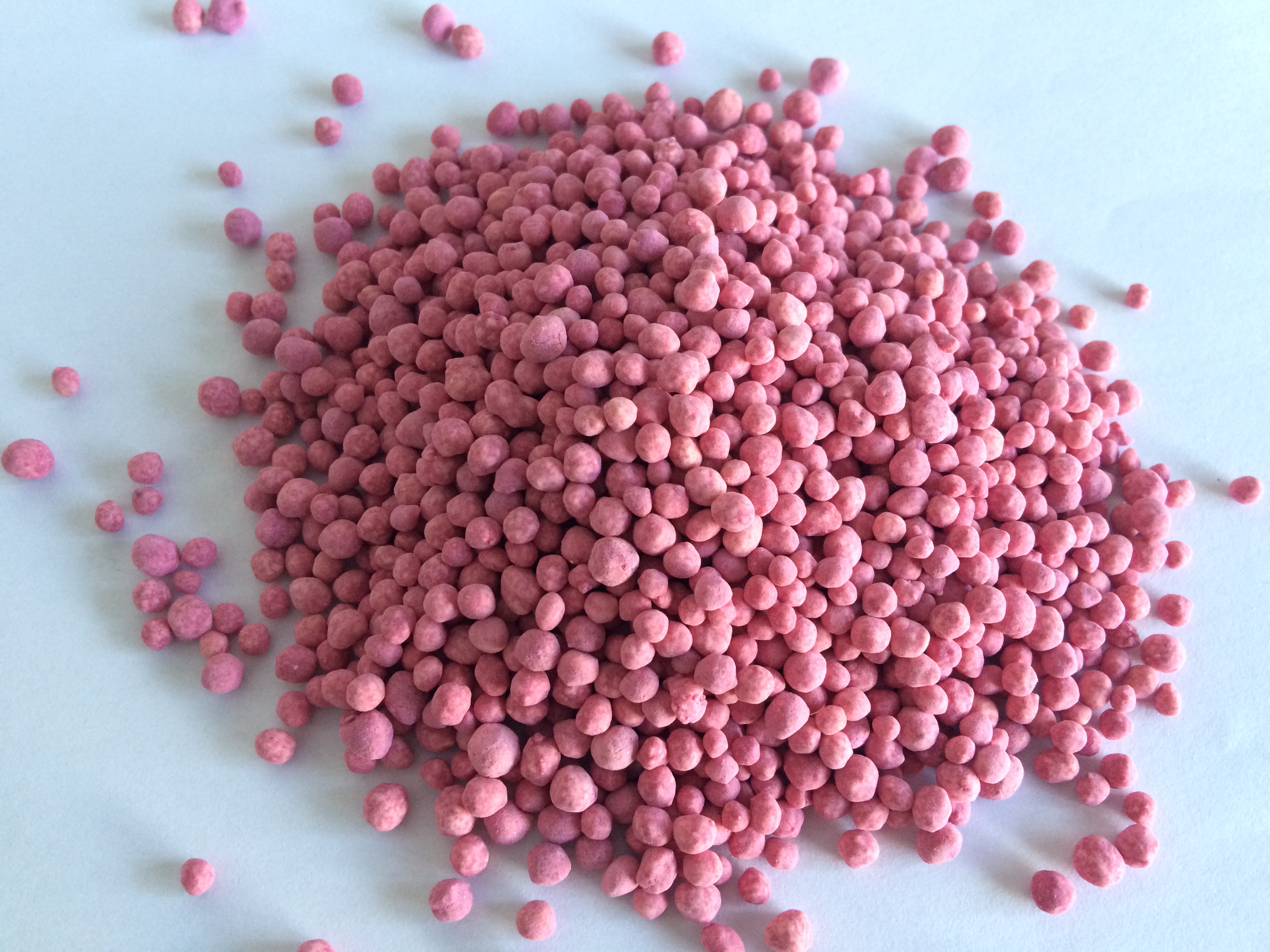
Kieserite (MgSO₄·H₂O) is a natural, crystalline mineral that provides a concentrated, slow-release source of magnesium and sulfur. With 25% magnesium oxide (MgO) and 20% sulfur trioxide (SO₃) in a highly plant-available form, this unique fertilizer delivers essential secondary nutrients over an extended period, reducing leaching losses and application frequency. For growers seeking long-term soil correction, improved chlorophyll synthesis, and enhanced crop quality, kieserite offers a cost-effective, environmentally friendly solution.
I. What Is Kieserite?
Kieserite is a naturally occurring magnesium sulfate mineral named after the German physician Dietrich Georg von Kieser. Unlike synthetic magnesium sulfate (Epsom salt, which is heptahydrate and highly soluble), kieserite contains only one water molecule (monohydrate) and is physically harder and less soluble. This lower solubility provides a slow-release pattern, making it ideal for soil application as a base fertilizer.
Key Distinction from Epsom Salt
Kieserite (MgSO₄·H₂O): 25% MgO, 20% SO₃, slow release, low hygroscopicity, ideal for soil application.
Epsom salt (MgSO₄·7H₂O): 16% MgO, 13% SO₃, highly soluble, fast release, ideal for foliar or fertigation.
Kieserite is the preferred choice for building long-term soil magnesium and sulfur reserves, especially in sandy or leached soils.
II. Agronomic Benefits of Kieserite
Dual Nutrient Supply – Magnesium and Sulfur
Magnesium (25% MgO): Central atom of chlorophyll; activates over 300 enzymes; improves phosphorus uptake and sugar transport.
Sulfur (20% SO₃): Essential for protein synthesis, oil formation (canola, sunflower), and the development of flavor compounds (onions, garlic, mustard).
Slow-Release, Low Leaching
The low solubility of kieserite means that nutrients are released gradually over several months, matching crop uptake patterns. This significantly reduces the risk of nutrient loss through leaching in sandy or high-rainfall areas, improving fertilizer use efficiency.
Non-Hygroscopic and Free-Flowing
Kieserite granules do not absorb moisture from the air, preventing caking during storage and ensuring smooth flow through all types of spreaders. This makes it an excellent component of bulk blends.
Soil pH Neutral
Unlike some magnesium sources (e.g., dolomitic lime raises pH), kieserite has a neutral effect on soil pH. It can be used in both acidic and alkaline soils without altering pH balance.
Chloride-Free and Low Salt Index
Kieserite contains no chloride, making it safe for chloride-sensitive crops such as tobacco, potatoes, citrus, and berries. Its low salt index reduces the risk of root damage.
III. Recognizing Magnesium and Sulfur Deficiency
Magnesium Deficiency Symptoms
Interveinal chlorosis (yellowing between veins) on older leaves.
Premature leaf drop, especially in fruit trees.
Reduced yield, poor fruit quality, and weak stalks.
Sulfur Deficiency Symptoms
Yellowing of young leaves (similar to nitrogen but on new growth).
Stunted plants, delayed maturity, reduced protein and oil content.
In canola: cupped leaves, poor pod fill.
Crops Highly Responsive to Kieserite
Potatoes, sugar beets, and root crops.
Oilseeds (canola, sunflower, soybean).
Legumes (alfalfa, clover) – sulfur enhances nitrogen fixation.
Fruit trees (citrus, apple, stone fruits).
Forage and pasture.
IV. Application Guidelines
Soil Application (Pre-Plant or Top-Dress)
Rate: 100–300 kg per hectare, depending on soil test results and crop demand.
Maintenance: 100–150 kg/ha/year.
Moderate deficiency: 200–250 kg/ha.
Severe deficiency: 300–400 kg/ha.
Timing: Apply before planting or at early growth stages; incorporate into the root zone.
Frequency: On sandy soils, apply annually or bi-annually; on clay soils, every 2–3 years.
Band Application (Starter Fertilizer)
Rate: 50–100 kg per hectare placed 5 cm below and beside the seed row.
Benefit: Provides concentrated magnesium and sulfur for early root development.
Broadcast for Pasture and Forage
Rate: 150–250 kg per hectare in early spring and after each cutting.
Benefit: Increases crude protein, dry matter yield, and animal health (prevents grass tetany).
Blending with NPK Fertilizers
Kieserite is highly compatible with granular NPK, urea, DAP, MAP, and potash. It can be blended to create custom sulfur- and magnesium-fortified fertilizers. Its uniform granule size (1–4 mm) ensures no segregation during transport and spreading.
Not Recommended for Foliar Application
Due to its slow dissolution, kieserite is not suitable for foliar sprays. Use magnesium sulfate heptahydrate (Epsom salt) for foliar correction.
V. Technical Specifications (Kieserite, Natural Grade)
Chemical Composition
Magnesium oxide (MgO): 25% minimum
Sulfur trioxide (SO₃): 20% minimum (equivalent to 8% S)
Water-soluble magnesium: 20–23% of total
Calcium oxide (CaO): ≤ 2%
Chloride (Cl): ≤ 0.1%
Physical Properties
Appearance: Grey to off-white, hard, granular crystals
Granule size: 1–4 mm (90% within range)
Bulk density: 1100–1300 kg/m³
Hardness: High – resists breakage during blending and spreading
Moisture: ≤ 0.5%
Solubility (in water): Low (approx. 30 g/L at 20°C) – provides slow release.
Quality Standards
Purity: ≥ 95% kieserite mineral content
Heavy metals: Cd ≤ 1 ppm, Pb ≤ 5 ppm, As ≤ 1 ppm
Radioactivity: Below detection limits (natural mineral)
VI. Crop-Specific Recommendations
Potatoes
Apply 200–300 kg/ha pre-plant incorporated. Magnesium improves tuber specific gravity; sulfur reduces internal brown spot. Yield increase of 10–20% common.
Canola and Oilseeds
Apply 150–250 kg/ha at planting or as a side-dress. Sulfur critical for oil synthesis; magnesium improves seed fill. Oil content increase of 3–6%.
Corn (Maize)
Apply 150–200 kg/ha in the seedbed or as a starter band. Enhances stalk strength, reduces lodging, improves grain test weight.
Fruit Trees (Citrus, Apple, Stone Fruits)
Broadcast 150–300 g per square meter under the canopy, or 200–500 g per tree depending on size. Prevents pre-harvest leaf drop, improves fruit size and color.
Forage and Pasture (Alfalfa, Clover, Grasses)
Apply 200–300 kg/ha in spring and after each cutting. Increases protein content, prevents grass tetany (magnesium deficiency in livestock).
Sugar Beets
Apply 200–300 kg/ha pre-plant. Magnesium improves sugar content; sulfur enhances root development.
VII. Advantages Over Other Magnesium/Sulfur Sources
Versus Epsom Salt (Magnesium Sulfate Heptahydrate)
Kieserite has lower solubility = slower release, less leaching, longer residual effect.
Higher nutrient concentration per kilogram (25% MgO vs 16%).
Lower shipping and handling cost per unit of nutrient.
Free-flowing granules, no caking.
Versus Dolomitic Lime
Kieserite does not raise soil pH, making it suitable for neutral or alkaline soils.
Provides sulfur (dolomite has none).
Faster-acting magnesium availability (though still slow-release).
Versus Sulfate of Potash (SOP)
Kieserite provides magnesium (SOP does not) and is more economical for bulk soil correction.
Lower cost per unit of sulfur.
VIII. Environmental and Safety Profile
Soil and Water
Kieserite is a natural mineral product that releases nutrients gradually, matching plant demand and reducing runoff and leaching. It contains no harmful residues and is approved for organic farming (when sourced from naturally occurring deposits).
Worker Safety
Kieserite is non-toxic and non-irritating. However, wear gloves and dust mask to avoid mechanical irritation from dust. In case of eye contact, flush with water. If swallowed, drink water.
Storage
Store in a dry, covered area. Kieserite is non-hygroscopic and does not cake, even after extended storage. Shelf life: unlimited.
IX. Quality Assurance and Certifications
Our kieserite is sourced from high-purity natural deposits and processed to ensure consistent particle size and nutrient content. ISO 9001:2015 certified production. OMRI Listed for organic farming (available upon request). Each shipment is accompanied by a Certificate of Analysis.
X. Why Choose Our Kieserite
Natural and sustainable – Mined from pristine geological formations, no chemical synthesis.
Slow-release nutrition – Matches crop uptake, reduces fertilizer losses.
Excellent physical properties – Hard, free-flowing granules ideal for blending and spreading.
Cost-effective – Lower cost per hectare than soluble magnesium sources for long-term correction.
Technical support – Our agronomists help interpret soil tests and design magnesium-sulfur programs.
Post time: Sep-10-2026