
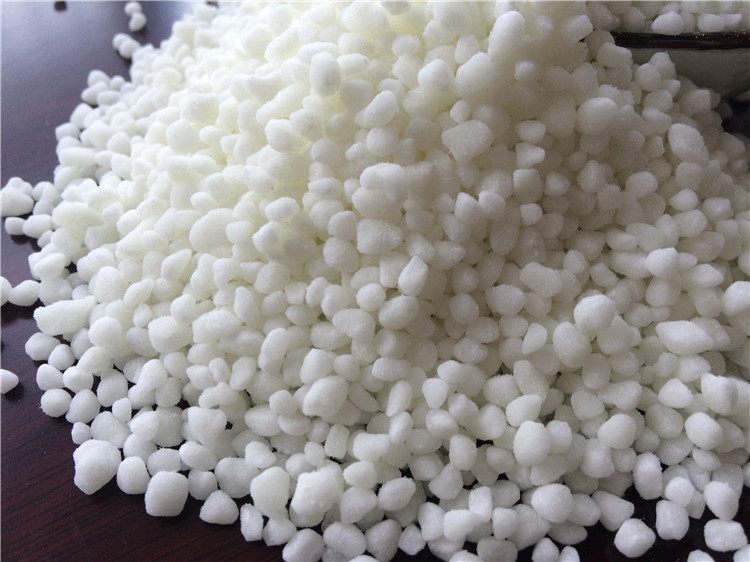
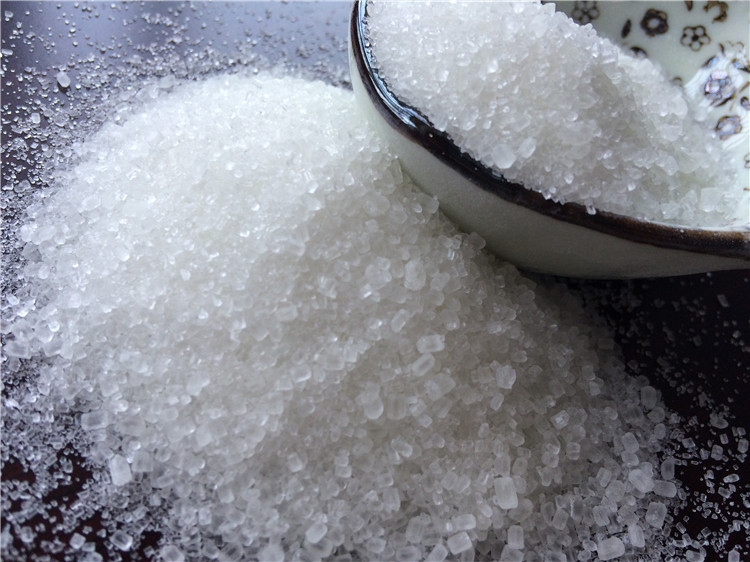
Ammonium sulfate ((NH₄)₂SO₄), a widely used nitrogen-sulfur compound fertilizer in agriculture, combines the dual benefits of high nitrogen content (21%) and sulfur (24%). It is an ideal choice for rapidly replenishing nutrients, enhancing crop yield, and improving quality. With excellent water solubility and high absorption efficiency, it suits diverse soils and crops, particularly in sulfur-deficient soils.
I. Core Benefits of Ammonium Sulfate
- Dual Nutrient Supply
Ammonium sulfate provides crops with ammonium nitrogen and sulfate sulfur. Nitrogen is essential for protein and chlorophyll synthesis, promoting stem and leaf growth, while sulfur participates in amino acid, vitamin, and enzyme formation, boosting stress resistance. - Soil Improvement
Its physiological acidity neutralizes alkaline soils, alleviates salinization, and activates the release of insoluble phosphorus and potassium, improving fertilizer efficiency. - Yield and Quality Enhancement
Proper application significantly increases grain plumpness, vegetable leaf color intensity, and fruit sugar content while reducing issues like deformed fruits and yellowing leaves.
II. Symptoms of Nitrogen/Sulfur Deficiency in Crops
- Nitrogen Deficiency:
Yellowing of older leaves, stunted growth, reduced tillering (e.g., rice “stunted seedlings,” corn “bald tips,” wheat with small ears and shriveled grains). - Sulfur Deficiency:
Yellowing of new leaves, chlorotic veins, delayed growth (e.g., curled rapeseed leaves, thick-skinned and bland-tasting fruits in trees, whitened vegetable leaves).
III. Scientific Application Methods
Tailor application based on soil type, crop needs, and growth stages:
- Base Fertilizer Application
- Dosage: 15-20 kg per mu (or 375-500 kg/hectare), mixed with organic/acidic fertilizers and applied in trenches. Cover with soil to prevent nitrogen volatilization.
- Crops: Rice, wheat, corn, and other field crops.
- Topdressing
- Growth Stage: Seedling to jointing stage; 10-15 kg per mu (250-375 kg/hectare) with irrigation for better absorption.
- Crops: Leafy vegetables, fruit trees (e.g., citrus, apples).
- Foliar Spray
- Preparation: 0.5%-1% ammonium sulfate solution mixed with urea; spray every 7-10 days for 2-3 cycles.
- Use Case: Mid-to-late growth stages or acute nutrient deficiency.
- Fertigation
- Drip/Sprinkler Irrigation: 3-5 kg per mu (75-125 kg/hectare) per application, combined with potassium fertilizers. Avoid mixing with alkaline fertilizers.
IV. Key Precautions
- Avoid Alkaline Substances: Do not mix with lime, wood ash, etc., to prevent ammonia volatilization.
- Control Dosage: Overuse may acidify soil; test soil pH every 2-3 years and adjust plans.
- Storage: Keep sealed in dry, ventilated areas to prevent moisture clumping.
- Crop-Specific Use: Ideal for chlorine-sensitive crops (e.g., tobacco, potatoes) but monitor sulfur accumulation.
V. Case Studies
- Rice: Base application reduces “stunted seedling syndrome” and promotes uniform tillering.
- Rapeseed: Topdressing during flowering increases pod count and raises oil content by 5-8%.
- Fruit Trees: Autumn base application enhances winter hardiness and improves bud differentiation.
Conclusion
Ammonium sulfate, with its cost-effectiveness and comprehensive nutrition, is vital for sustainable modern agriculture. Scientific application and precision management unlock its full yield potential. Contact our expert team for customized fertilization plans!
Post time: Oct-20-2025